


Call us now
08071931350

 Send Inquiry
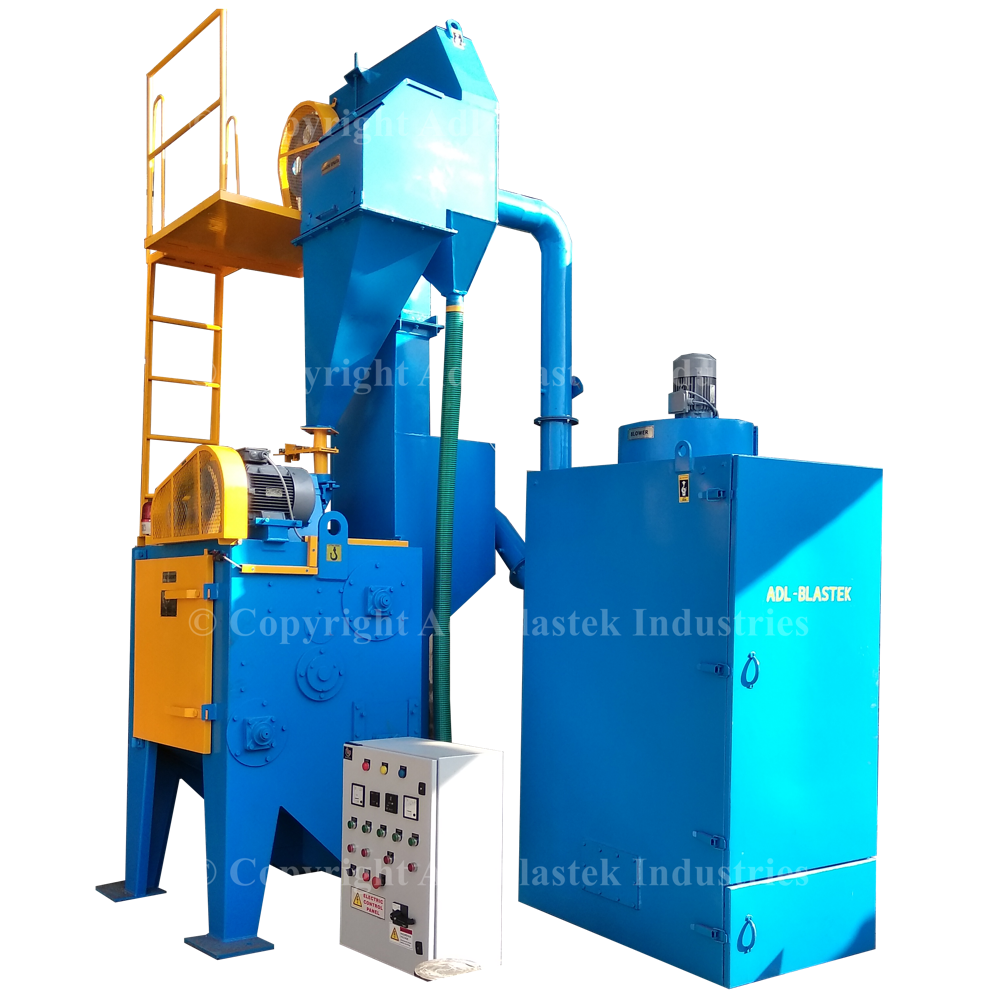
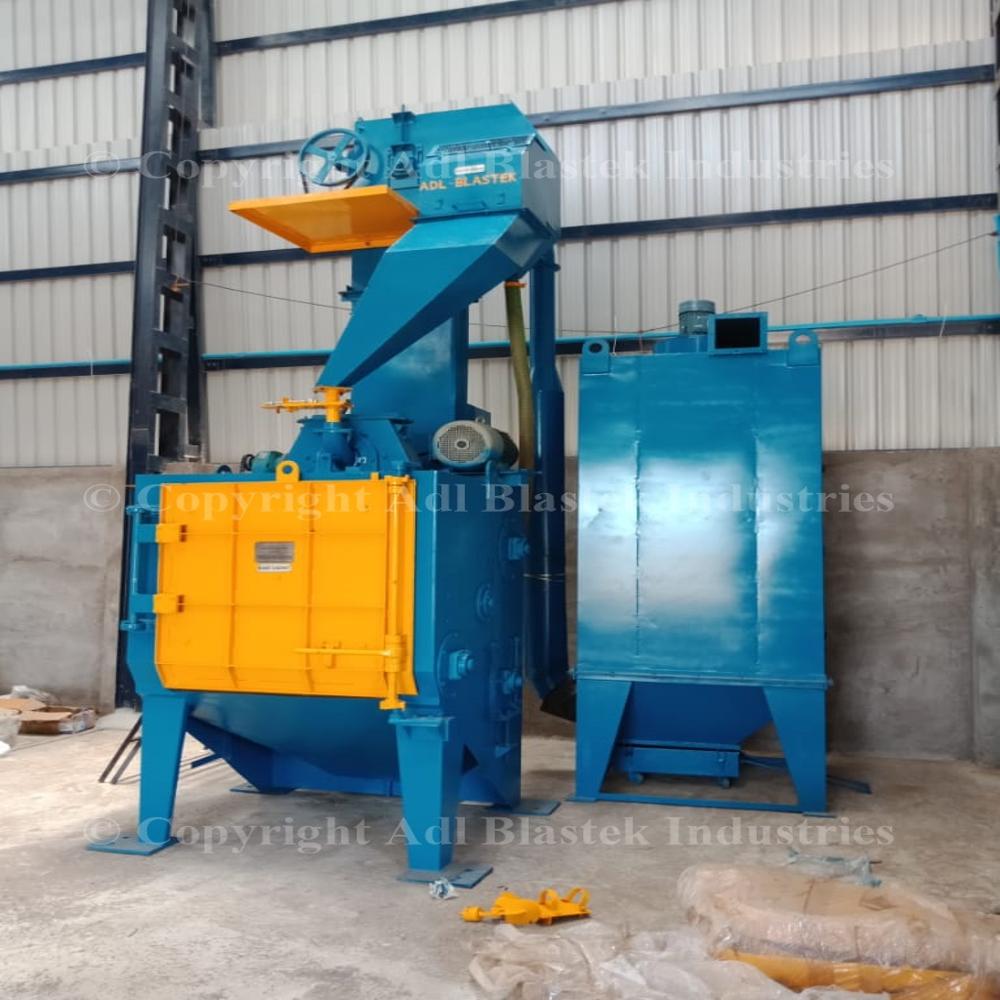
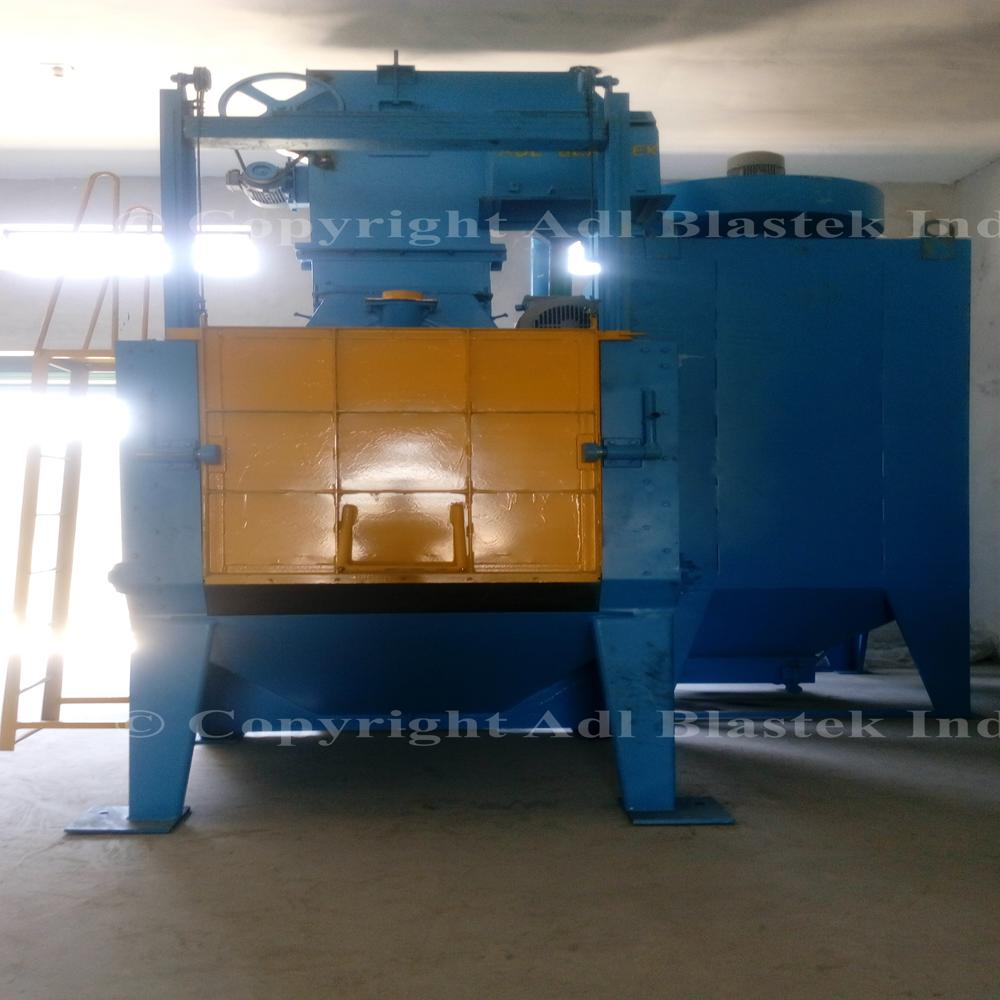
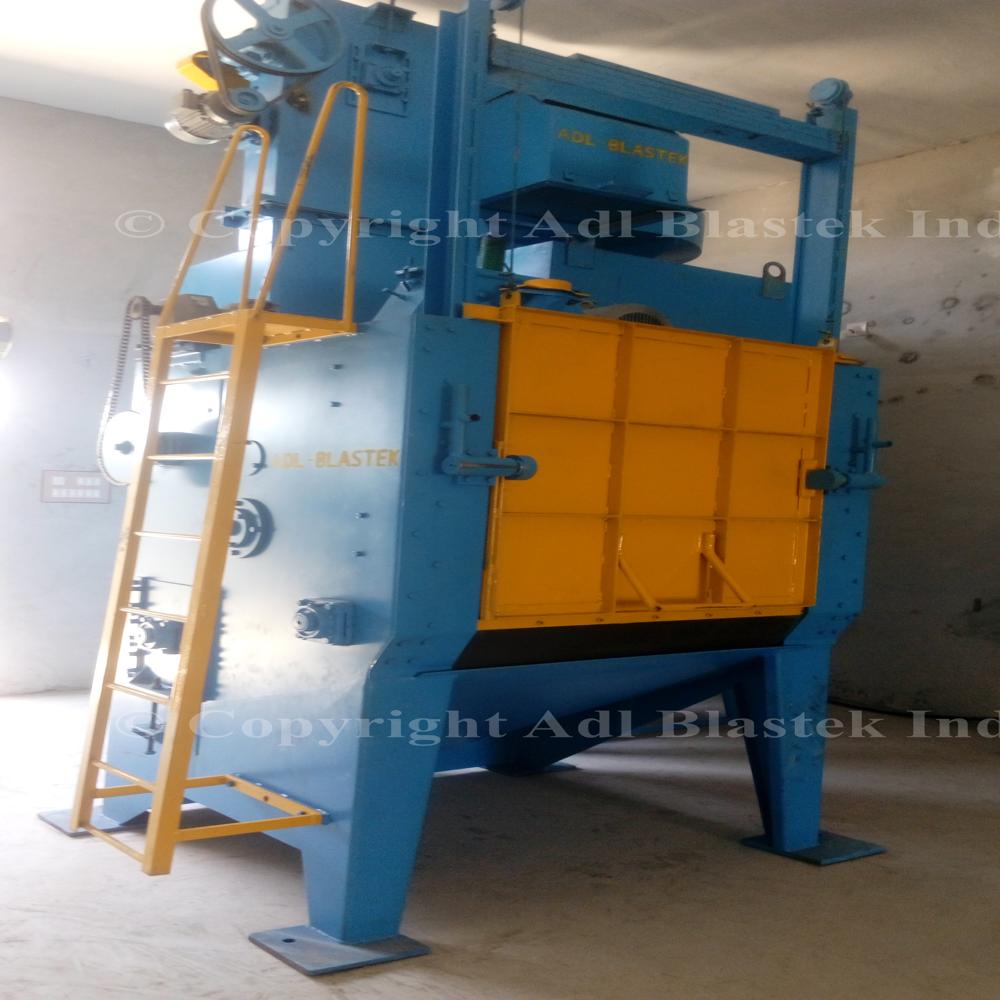
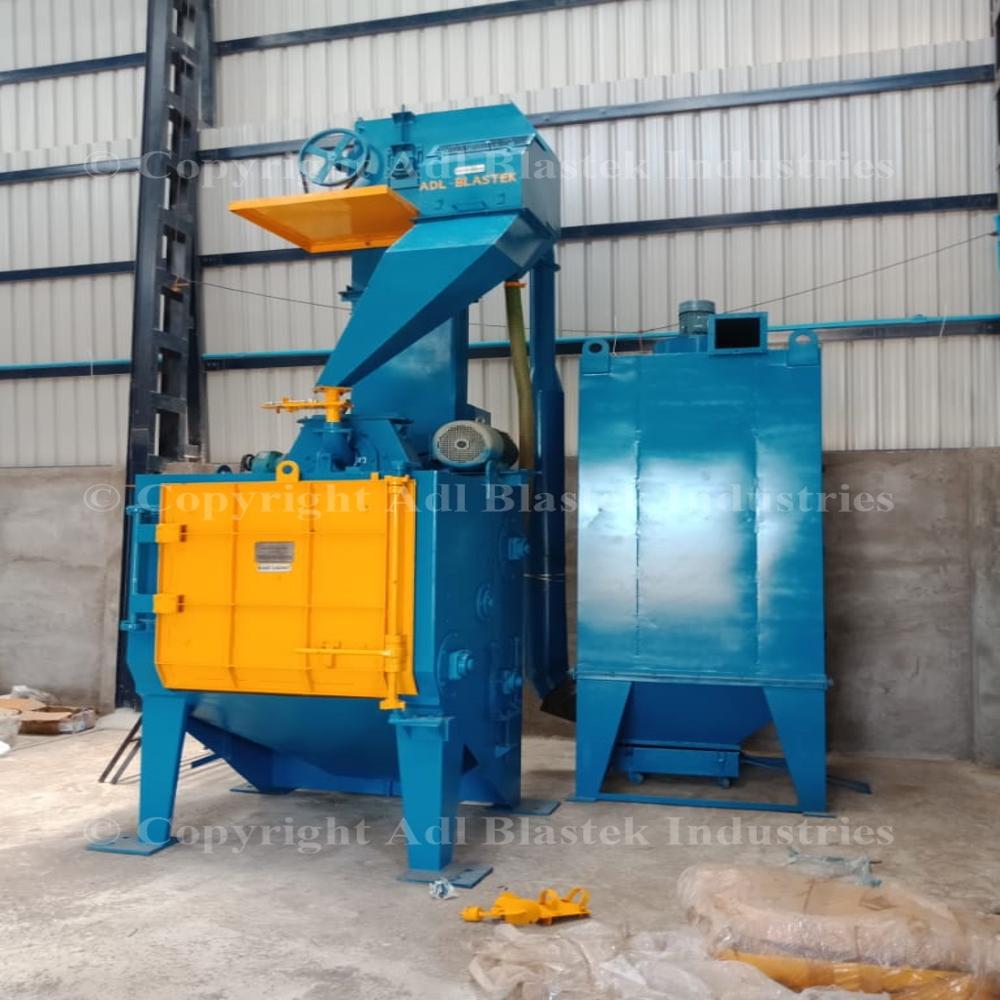
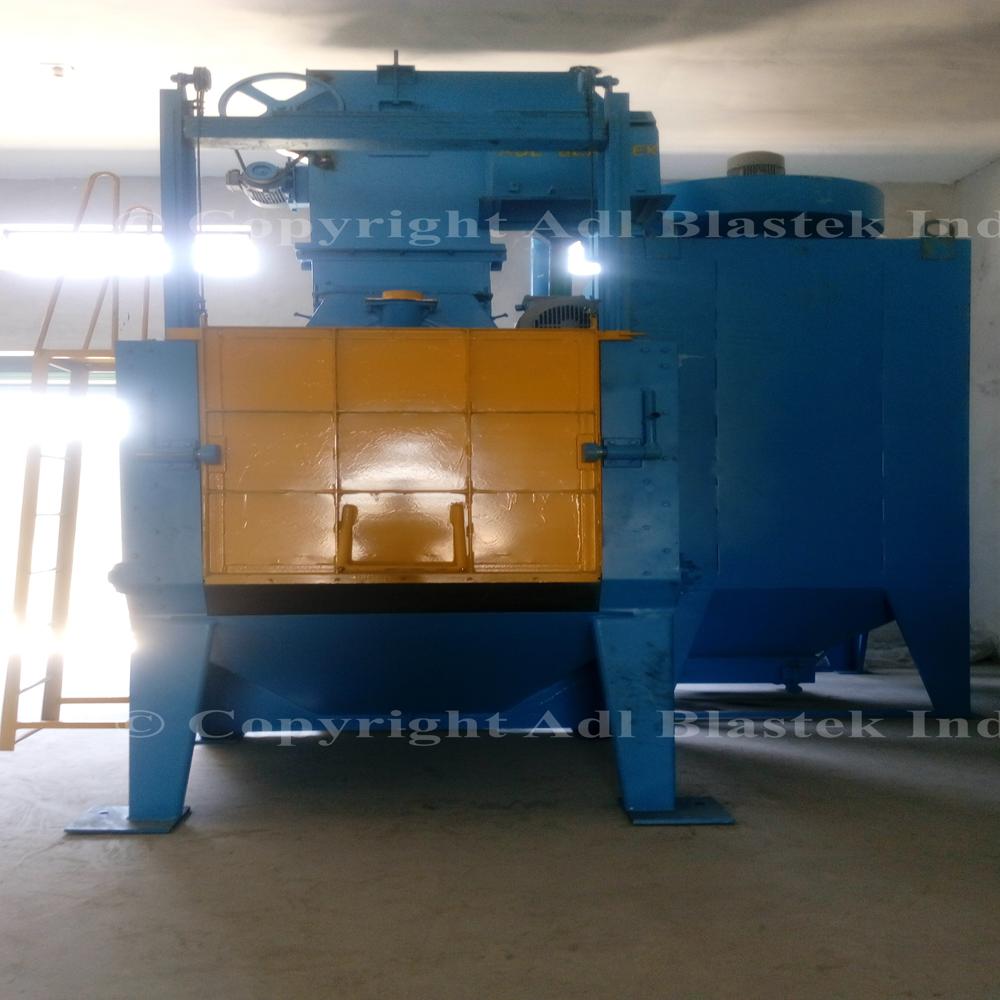
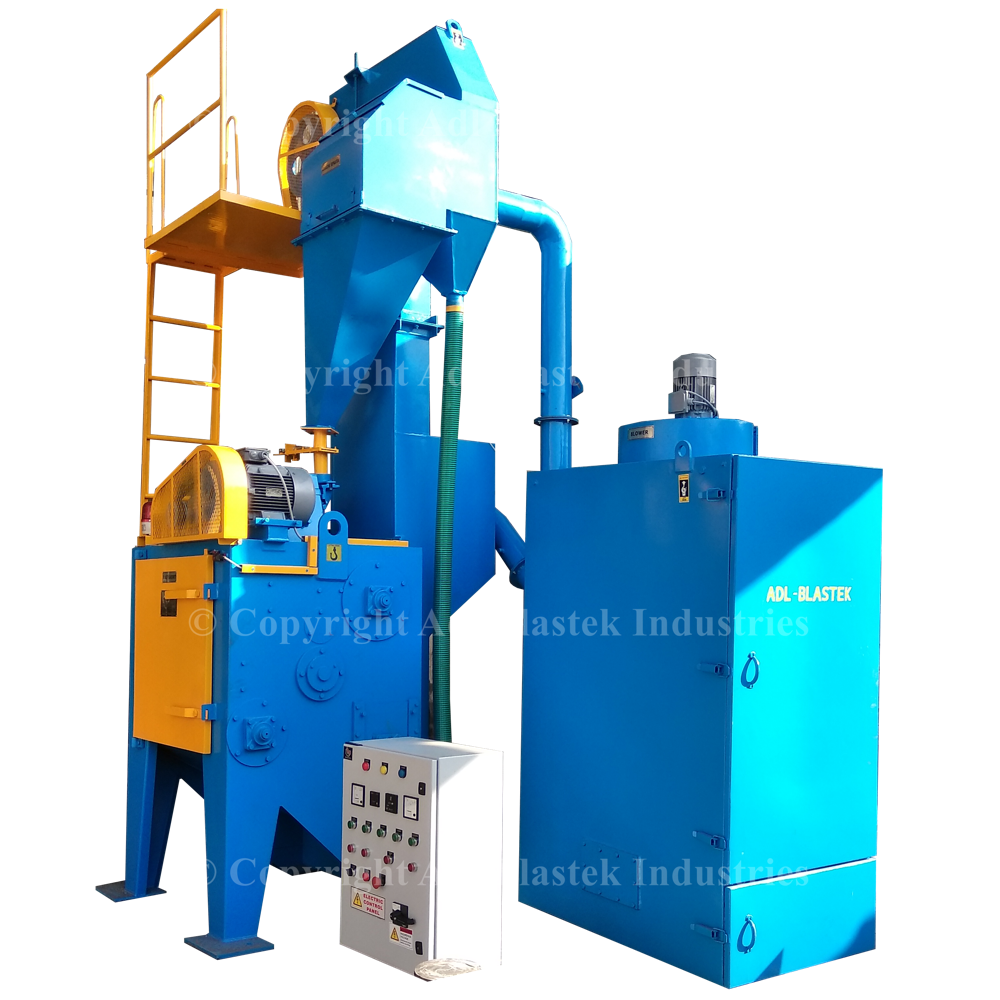
ADL tumblast machine
Price 400000.00 INR/ Unit
MOQ : 1 Number
ADL tumblast machine Specification
- Voltage
- 415 Volt (v)
- Accuracy
- 99 %
- Model No
- ADL-BT-BR
- Motor Power
- 40 Horsepower (HP)
- Country Of Origin
- INDIA
- Machine Type
- shot peening machine
- Frequency
- 99 Hertz (HZ)
- Noise Level
- 85 db
- Product Type
- Other
- Technology
- Other
- Power Source
- Electricity
- Operating Type
- Automatic
- Power
- 20 Horsepower (HP)
- Pressure
- 6 Bar
- Surface Treatment
- Painted
- Dimension (L*W*H)
- 3X3X3 Meter (m)
- Weight (kg)
- 3 Tonne
- Color
- BLUE
- Warranty
- 1 YEAR
- Production Capacity
- 500 Ton
- Usage & Applications
- shot blasting
ADL tumblast machine Trade Information
- Minimum Order Quantity
- 1 Number
- FOB Port
- JODHPUR
- Supply Ability
- 1 Number Per Month
- Delivery Time
- 10 Days
- Sample Policy
- Contact us for information regarding our sample policy
About ADL tumblast machine
Tell us about your requirement

Price:
Quantity
Select Unit
- 50
- 100
- 200
- 250
- 500
- 1000+
Additional detail
Mobile number
Email

More Products in Tumblast Shot Blasting Machine Category
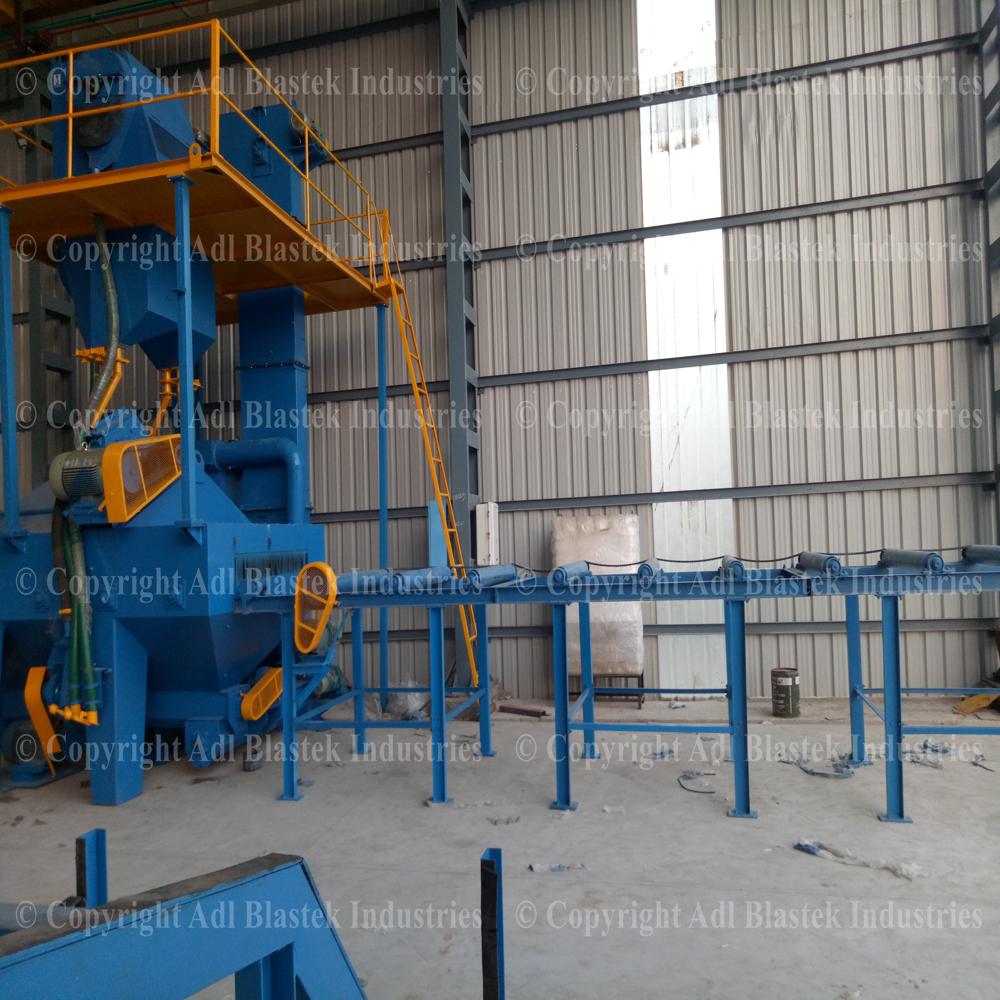
SHOT BLASTING MACHINE
Price 2500000.0 INR / Piece
Minimum Order Quantity : 1 Number
Voltage : 415 V Volt (v)
Color : Gray & Blue
Model No : SBL1800
Accuracy : 99 %
Shot blasting machine
Price 1200000.0 INR / Unit
Minimum Order Quantity : 1 Unit
Voltage : 380415 V
Color : Blue & Grey
Model No : Q37 Series
Accuracy : High precision blasting
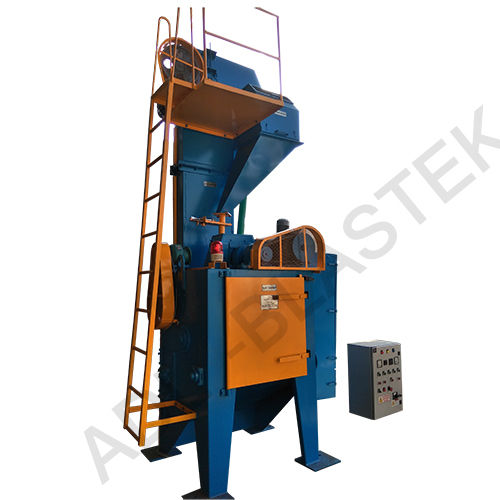
Tumblast Shot Blasting Machine BT-TBM-20X27
Price 450000.0 INR
Minimum Order Quantity : 1 Unit
Voltage : 415 Volt (v)
Color : Dark Blue
Model No : ADLBTTBM20X27
Accuracy : 99 %
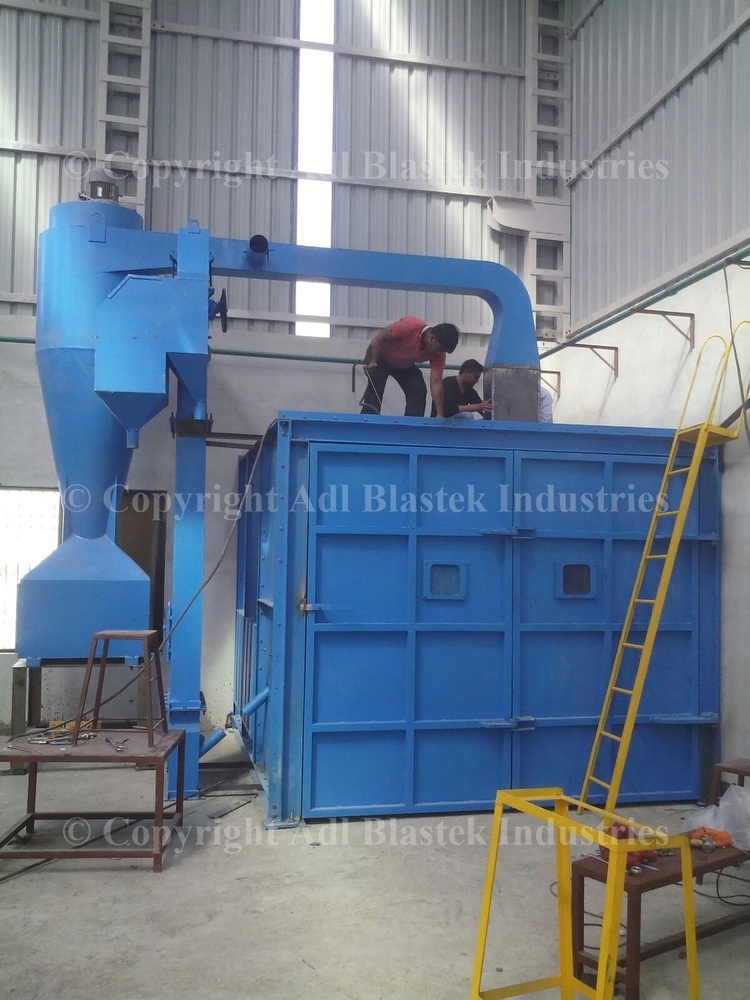
Blast Room System
Price 1000000.0 INR / Piece
Minimum Order Quantity : 1 Piece
Voltage : 415 Volt (v)
Color : BLUE
Model No : ADLBTBR
Accuracy : 99 %

ADL BLASTEK INDUSTRIES
Jodhpur, India
Jodhpur, India
Plot No. 2&3, Khasra No. 247/2, Tanawara Industrial Area,Jodhpur - 342804, Rajasthan, India
Phone :08071931350
 Send Inquiry
- Shot Blasting Machines
- Tumblast Shot Blasting Machine
- Blasting Machines
- Turn Table Shot Blasting Machine
- Airless Spinner Hanger Shot Blasting Machines
- Hanger Shot Blasting Machine
- Close Loop Hanger Shot Blasting Machine
- Tunnel Type Shot Blasting Machines
- Roller Conveyor Shot Blasting Machine
- Cabinet Type Pressure Blast
- Suction Blaster
- Cabinet Type Wet Blasting Machine
- Beam Shot Blasting Machine
- Diabola Shot Blasting Machine
- Shot Peening Machine
- Structure Shot Blasting Machine
 Send Inquiry
 Send SMS
 Call Me Free
ADL BLASTEK INDUSTRIES
All Rights Reserved.(Terms of Use)
Developed and Managed by Infocom Network Private Limited.
Developed and Managed by Infocom Network Private Limited.

